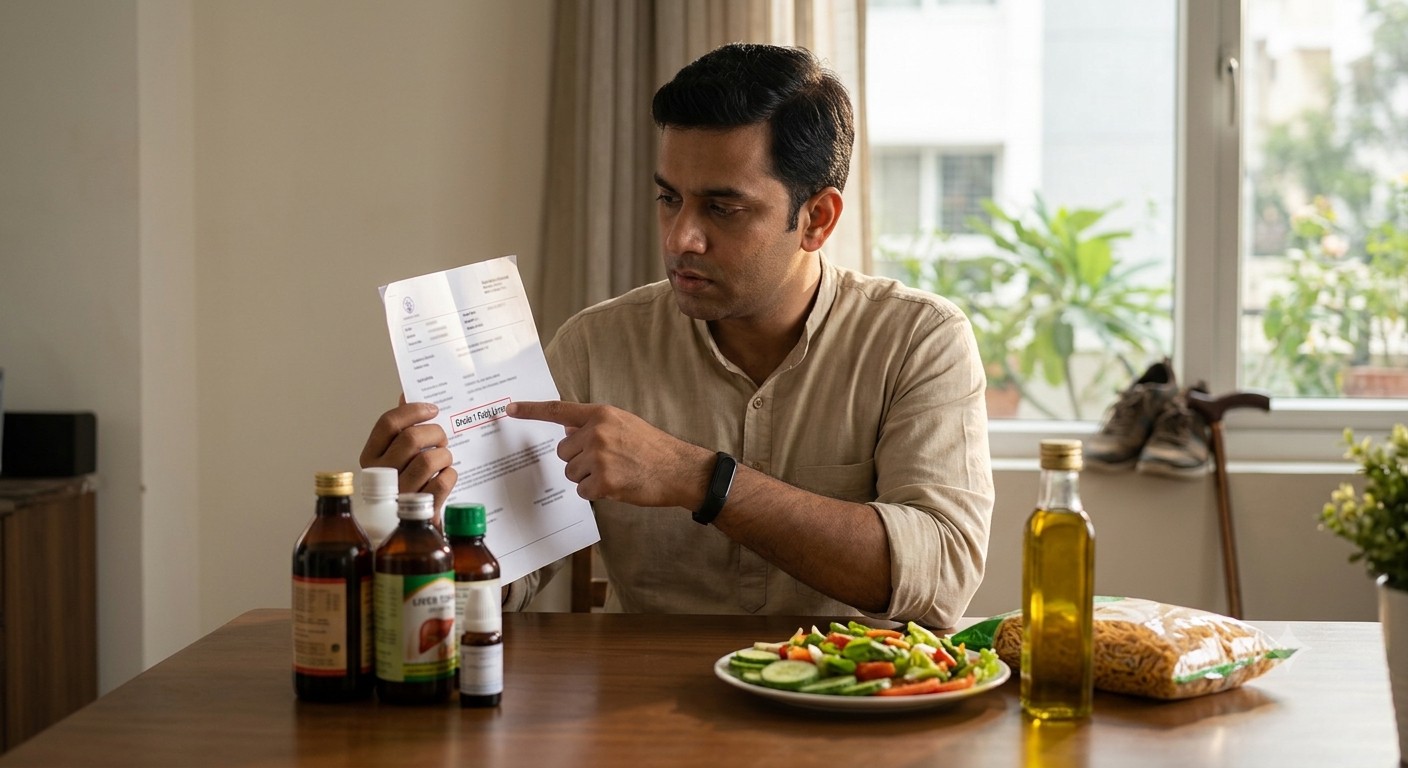
Homeopathy for De-Addiction: Real Cravings & Habit SupportHomeopathy for De-Addiction

It usually starts the morning after you promised yourself you were done. You wake up with a dry throat, a heavy head, and a firm resolution that today is different. But by 11:00 AM, as the work stress builds or the smell of cutting chai floats in from the corner stall, the familiar itch returns. Before your brain even registers the decision, you find yourself holding a cigarette, opening a bottle, or reaching for that fourth cup of tea. Shortly after, the inevitable wave of shame follows.
If you have tried to quit smoking, cut back on weekend drinking, or break a daily nicotine or chai loop only to fall back into the same rhythm, you know that willpower alone often feels insufficient. Seeking options naturally leads many to ask about homeopathy for de-addiction. Can little white globules really stop a craving? Will a remedy fix a habit you have had for ten years?
The short, honest answer is no—homeopathy cannot magically turn off an addiction overnight, nor can it replace medical detox for severe dependence. What it can do, however, is offer gentle, non-habit-forming support for the physical and emotional turbulence that accompanies quitting: the sleeplessness, the short temper, the stomach acidity, and the constant restlessness. Here is a realistic look at how to navigate your first month of change, where homeopathy fits, and when to seek medical care.
Understanding the Spectrum: Habit, Craving, and Clinical Dependence
Before choosing any path, it helps to understand what your body and brain are actually going through. Not every habit is a severe clinical addiction, but every habit creates deeply etched neural pathways.
- The Habit Loop: This is a psychological trigger-and-reward cycle. For example, sitting at your desk for three hours straight (trigger) leads to walking down to the tea stall for chai and a smoke (action), providing a momentary pause and brain distraction (reward). The substance itself is only half the problem; the routine is the other half.
- Physical Cravings & Nicotine/Alcohol Dependence: When chemical dependencies build, your central nervous system adjusts to the presence of nicotine or alcohol. When you suddenly stop, your brain chemistry experiences a temporary deficit, causing physical symptoms like tremors, sweating, rapid heart rate, severe anxiety, and intense digestive distress.
- Severe Withdrawal (A Medical Emergency): Long-term heavy alcohol use creates deep physical dependence. Sudden stoppage can trigger delirium tremens (DTs), dangerous blood pressure spikes, and seizures. This is not a state to manage at home with self-care or alternative remedies—it requires hospital admission and clinical supervision.
What Homeopathy Can and Cannot Do in De-Addiction
To use homeopathy effectively, you have to understand its intended role. It works best as an adjunct tool—a gentle partner alongside behavioral changes, lifestyle adjustments, and professional therapy.
In classical homeopathy, remedies are never selected based on a diagnostic label like "alcoholism" or "tobacco addiction." Instead, a practitioner looks at your unique stress response, emotional state, and physical symptoms during the quitting process. Homeopathy can help in several practical ways:
- Managing Withdrawal Restlessness: Easing the jittery, crawl-out-of-your-skin feeling that makes sitting through an afternoon meeting feel impossible.
- Supporting Sleep Architecture: Helping soothe the insomnia, vivid dreaming, and night sweats that frequently happen when chemical stimulants leave the body.
- Calming Digestive Fallout: Relieving the sour acidity, nausea, and sluggish bowel movements that occur as your gut tries to readjust without habitual substances.
- Softening Mood Fluctuations: Buffering the sudden bursts of irritability, impatience, and brain fog that test your family and work relationships.
Crucially, homeopathy cannot flush addictive substances out of your blood instantly, block brain receptors like clinical pharmaceutical antagonist drugs do, or replace formal psychiatric rehabilitation. It provides support for your nervous system as you do the difficult psychological work of changing your habits.
Remedies Often Discussed in De-Addiction Profiles
In classical practice, remedies are individualised to match a person's complete symptom picture rather than taken as a standardized "quit-smoking kit." Understanding these remedy pictures helps illustrate how homeopathic principles apply to different stress profiles:
The Overworked, Irritable Profile: Nux Vomica
Often considered in modern lifestyle pictures, this remedy profile suits the busy professional who relies heavily on coffee, chai, alcohol, or cigarettes to push through high-stress workdays. They typically present with severe heartburn, constipation, intense irritability, and a pattern of waking up around 3:00 AM with work anxiety.
The Tobacco Craving & Chest Discomfort Profile: Caladium Seguinum
Frequently referenced in homeopathic literature regarding tobacco habituation, this picture often matches individuals struggling with persistent nicotine cravings, throat irritation, cold sweat, and nervousness when trying to abstain from smoking or chewing tobacco.
The Chronic Alcohol Habit & Liver Support Profile: Quercus Glandium Spiritus
This remedy picture is historically discussed in relation to individuals who experience chronic cravings for alcohol alongside physical heaviness, abdominal bloating, sluggish liver function, and morning dizziness.
The Emotional Sensitivity & Resentment Profile: Staphysagria
Quitting a substance often uncovers suppressed emotions. This remedy picture matches individuals who turn to smoking or drinking to cope with unexpressed anger, workplace humiliation, or chronic family pressure, and who feel deeply hurt or defensive when challenged.
To explore gentle, supportive options for night-time rest and emotional balance during this transition, you can browse Kapsule's sleep and wellness range.
"De-addiction is not a test of moral strength. It is a process of rewiring how your nervous system responds to daily stress, boredom, and discomfort."
A Realistic 30-Day Support Plan for Cravings
If you are planning your first month of stepping away from a substance or habit loop, structure is your strongest ally. Here is a simple, actionable framework to navigate the initial four weeks:
1. Tell One Single Person
Secrecy fuels habit loops. You do not need to make a public announcement on social media, but you should inform one trusted person—a spouse, a close friend, or a counselor—that you are cutting back. Ask them to listen without judging when cravings hit.
2. The "10-Minute Delay" Strategy
A physical craving operates like a wave: it builds, peaks, and dissipates over about 7 to 10 minutes. When the urge strikes, do not negotiate with yourself about quitting forever. Tell yourself: "I will wait 10 minutes, and then re-evaluate." During those 10 minutes, drink a cold glass of water, step outside, or wash your face.
3. Replace the Hand-to-Mouth Action
Much of smoking or chai dependence is motor habit. Keep roasted makhana, fennel seeds (saunf), cinnamon sticks, or sugar-free gum at your desk. Giving your mouth and hands something simple to do breaks the mechanical cycle.
4. Protect Your Sleep Windows
Fatigue drains self-control. When you are sleep-deprived, your brain naturally seeks quick dopamine hits through sugar, nicotine, or caffeine. Prioritize a steady sleep schedule, limit screen use an hour before bed, and consider gentle, non-habit-forming support if nighttime restlessness keeps you awake.
Red-Flag Warning: When to Seek Immediate Hospital Care
Homeopathy and self-care strategies are entirely unsuitable for severe clinical dependence. Please seek immediate medical or psychiatric intervention if you or a family member experience:
- Shaking hands, heavy sweating, or high fever within 12–48 hours of stopping alcohol.
- Visual hallucinations, severe confusion, or disorientation (Delirium Tremens).
- A history of alcohol-related seizures or fits.
- Severe, unmanageable depression or thoughts of self-harm.
- Inability to keep fluids down due to persistent vomiting.
Overcoming Shame, Family Pressure, and the "Willpower" Myth
In India, substance use and habit struggles carry heavy cultural stigma. Families often treat addiction as a moral failing or a lack of respect, resorting to emotional coercion, guilt trips, or secretly mixing "anti-addiction powders" into food. None of these approaches work, and they frequently deepen the individual's sense of isolation.
If you slip up during your first month, avoid treating it as a total failure. A lapse is simply data—it shows you precisely which trigger (such as late-night work, a specific friend circle, or intense fatigue) needs a stronger coping strategy. Recovery is rarely a straight line; it is a gradual process of rebuilding daily habits.
If you need professional, confidential guidance in India, consider reaching out to established healthcare resources:
- National Tobacco Quitline Services (India): Call 1800-11-2356 for free, confidential telephone counseling.
- NIMHANS Digital Academy / Centre for Addiction Medicine: Offers specialized clinical addiction psychiatry and rehabilitation services.
- Tele-MANAS (Government of India Mental Health Helpline): Dial 14416 or 1800-891-4416 for 24/7 tele-counseling support across Indian languages.
For more insights on managing stress, daily routines, and family health, explore our guides on the Kapsule Health & Wellness Blog.
Frequently Asked Questions
Can homeopathy cure addiction completely?
No. Homeopathy cannot cure addiction on its own. Addiction is a complex psychological and biological process that requires behavioral changes, strong support systems, and sometimes medical intervention. Homeopathy acts as a complementary support to help ease physical discomforts like irritability, insomnia, and restlessness during the process.
How long does it take for nicotine cravings to peak after quitting smoking?
Physical nicotine cravings usually peak within 48 to 72 hours after your last cigarette. During this window, physical symptoms like headache, anxiety, and digestive discomfort are strongest. After the first week, physical dependence drops significantly, though psychological triggers can persist for months.
Is it safe to take homeopathic remedies while attending rehab or taking prescribed allopathic medicines?
Yes, homeopathic remedies generally do not interfere with conventional pharmaceutical treatments because they operate through different mechanisms. However, you should never stop taking prescribed psychiatric or de-addiction medications without explicit instructions from your doctor, and you should inform your care team about all supportive remedies you take.
Can I secretly give homeopathic de-addiction remedies to a family member in their food?
No. Secretly administering any medicine or remedy is ethically unsafe and practically ineffective. Successful de-addiction requires the individual's active participation and desire to change. Supporting them with empathy, open conversations, and professional medical guidance is the safest path forward.
When should someone undergoing alcohol withdrawal go straight to a hospital?
If someone experiences visible tremors, heavy sweating, agitation, confusion, seizures, or hallucinations after stopping alcohol, they need immediate emergency hospital care. Alcohol withdrawal can be life-threatening and must be managed by qualified medical professionals in a clinical setting.